





SLEEK, URBAN DOWN-TO-EARTH,
PULSE PROVIDES RESULTS DRIVEN SKINCARE, LASER HAIR REMOVAL AND AESTHETIC SERVICES.




WHY PEOPLE LOVE PULSE

I’ve been coming to Pulse for 5 years and I love it.
I do monthly hydrafacials to keep my skin clear. I love the convenience of online booking and the late hours and my skin is happy! The staff is super nice… Read more “I’ve been coming to Pulse for 5 years and I love it.”
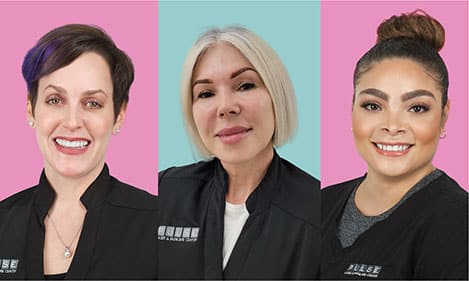
Kim and team are the best!
I went to them for laser hair removal by rec of a friend and have tried skin spa soho but had a mediocre experience. Going to pulse was like night… Read more “Kim and team are the best!”
They are the best in the biz!
I am thrilled with the… Read more “They are the best in the biz!”

This review is only for their laser services.
I made an appointment with Melanie to start last year. Before this I had an insane amount of ingrown hairs. I quite literally was ashamed to look at my skin.… Read more “This review is only for their laser services.”
Pulse is the best…..
I have been getting various laser treatments on my face from Kim for years now, and they have really helped revive my aging skin. I have also had a number… Read more “Pulse is the best…..”
As a transgender woman, finding a place I felt comfortable with exposing myself was terrifying!
I came to Pulse to get hair removal on my underarms. Immediately after my first treatment with Kimberly I knew I found the place I wanted so my ENTIRE body… Read more “As a transgender woman, finding a place I felt comfortable with exposing myself was terrifying!”
My wife and I came here for DMK facials.
A pretty new type of treatment that we learned about in Barcelona and loved. So when we were in NY, we searched for and found that Pulse offers these treatments… Read more “My wife and I came here for DMK facials.”
Hanna is simply the best!
She did my dmk enzyme therapy and the results are brilliant after just one session! She is also so sweet and kind!! Booked another session and am hooked!! Also pulse… Read more “Hanna is simply the best!”
I was referred to Kim and team by a few trusted neighbors.
I love love love Pulse. So may great aspects of the business including; the machines and technology are top notch. They are highly trained and professional, they are on time… Read more “I was referred to Kim and team by a few trusted neighbors.”
I came to Kim/Pulse in June last year
…after another laser center burned me and left a checkerboard pattern on my chest and full arms (the laser wasn’t calibrated properly). She patiently targeted the unevenness and we did… Read more “I came to Kim/Pulse in June last year”
FOLLOW US ON INSTAGRAM